
Website migrations
Seamless website migrations without the headaches.
From planning through production cutover, we move websites, content, integrations, and search equity to a stronger platform with controlled risk and minimal disruption.
A seamless migration is critical to what comes next.
Migration is more than transferring pages. It is an opportunity to remove legacy constraints, improve performance, clarify content, and establish a platform that is easier for customers, marketers, and engineers to use.
Replace outdated technology
Move away from fragile themes, unsupported plugins, and systems that limit delivery.
Improve performance
Use modern rendering, media, caching, and deployment practices for a faster experience.
Protect search visibility
Preserve valuable URLs, content, metadata, links, and indexation signals.
Create room to evolve
Adopt modular architecture and structured content that can support future needs.
Our migration process
A controlled path from the current platform to the next one.
 01 / Discovery and inventory
01 / Discovery and inventory
Understand every asset, dependency, and risk before moving.
We inventory URLs, content, templates, media, integrations, analytics, search performance, infrastructure, editorial workflows, and ownership so the migration plan reflects the complete system.
Content inventory
Catalog pages, entries, files, metadata, relationships, and ownership.
Technical assessment
Document templates, integrations, infrastructure, data, and dependencies.
SEO baseline
Capture rankings, traffic, backlinks, indexed pages, and priority URLs.
Risk register
Identify high-impact failure points, owners, mitigations, and decisions.
02 / Target architecture
Design the new system around better workflows.
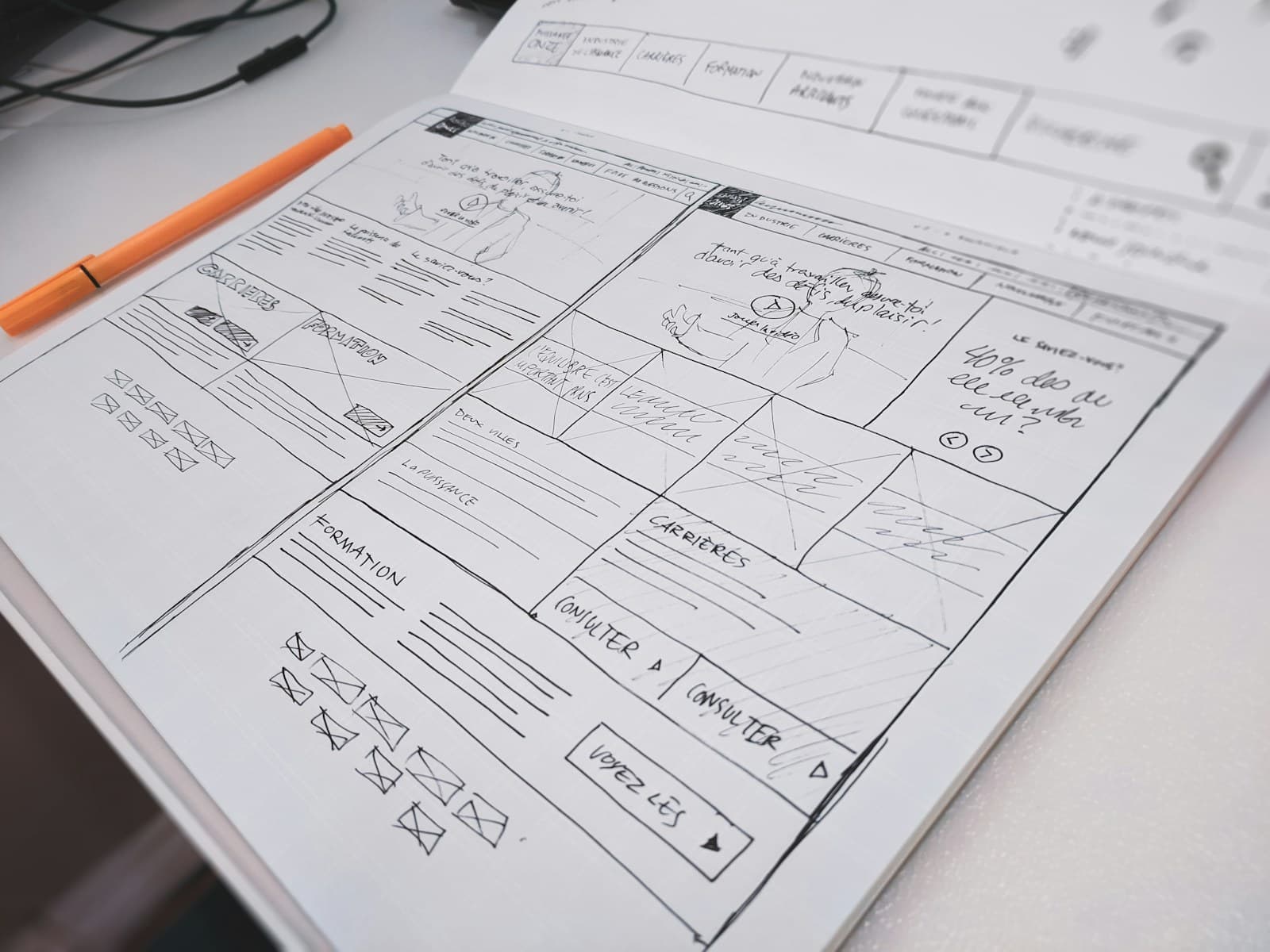
We define the destination platform, content model, components, environments, integrations, permissions, routing, and deployment approach rather than recreating every limitation of the old system.
 02 / Target architecture
Platform architecture
Choose a practical frontend, CMS, hosting, and service structure.
Content model
Translate legacy pages into structured, reusable content relationships.
Integration design
Plan CRM, analytics, search, commerce, and automation connections.
Migration mapping
Define how each source field, file, and route reaches its destination.
 03 / Build and migration
03 / Build and migration
Create repeatable transfers instead of a one-time scramble.
The new platform is implemented while migration scripts and transformation rules move representative content through repeated test runs. Problems are resolved before the final cutover window.
Component implementation
Build responsive templates around the target content model.
Data transformation
Clean and convert legacy structures into reliable destination formats.
Media migration
Transfer, optimize, reference, and validate images and downloadable files.
Repeatable scripts
Make test migrations and final synchronization safer and consistent.
04 / Validation and launch planning
Prove the destination before changing production traffic.
We validate content, routes, redirects, metadata, integrations, analytics, performance, accessibility, and editorial workflows, then rehearse a cutover plan with responsibilities and rollback criteria.
 04 / Validation and launch planning
Content QA
Check completeness, formatting, relationships, media, and metadata.
Redirect testing
Verify priority URLs resolve through one accurate permanent redirect.
Functional QA
Test forms, search, analytics, integrations, devices, and browsers.
Cutover rehearsal
Confirm timing, owners, freezes, DNS, backups, checks, and rollback steps.
 05 / Cutover and monitoring
05 / Cutover and monitoring
Launch carefully and watch the signals that matter.
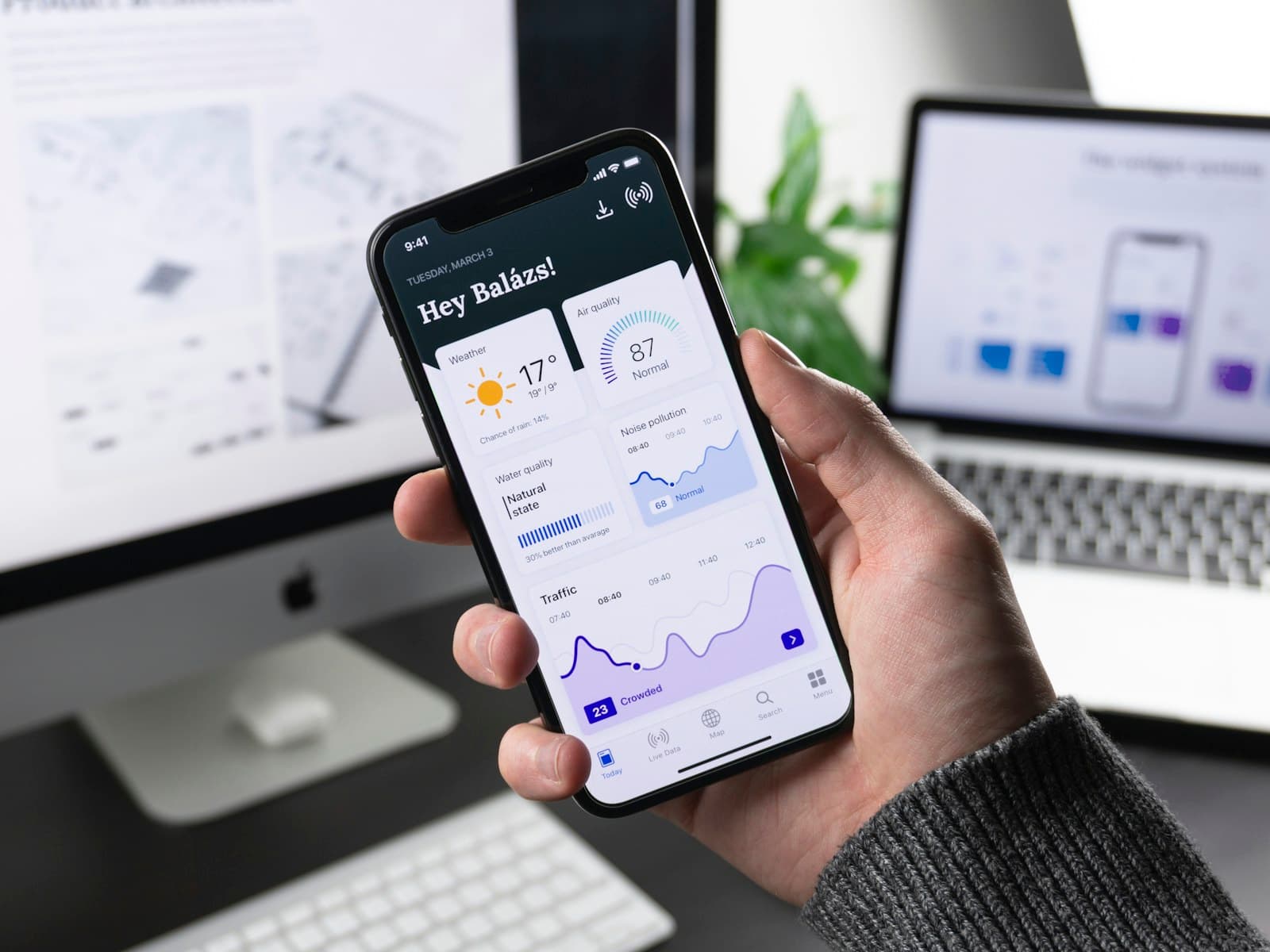
During release, we coordinate final content synchronization, infrastructure changes, production checks, and stakeholder communication. Afterward, we monitor behavior and resolve migration-related issues quickly.
Production smoke tests
Verify critical pages, journeys, integrations, and publishing immediately.
Search monitoring
Watch crawling, indexation, redirects, errors, rankings, and organic traffic.
Performance monitoring
Track availability, Core Web Vitals, errors, and service health.
Team enablement
Train owners and document publishing, maintenance, and support workflows.
Move forward without losing what works
Planning a new platform or CMS?
We can assess migration readiness, recommend an architecture, deliver the complete move, or strengthen a plan your internal team is preparing.
Migration questions
What teams ask before changing platforms.
How long does a website migration take?
Timing depends on content volume, model complexity, redesign scope, integrations, URL changes, localization, data quality, and stakeholder availability. A focused migration may take several weeks, while a large replatforming can require multiple months and a phased rollout. Discovery establishes a realistic schedule.
Can we migrate without redesigning the website?
Yes. A platform migration can preserve the current visual experience, although components usually need to be rebuilt in the destination architecture. We may recommend focused improvements where the existing design creates accessibility, performance, responsiveness, or content-management problems.
How do you protect SEO during migration?
We benchmark existing performance, inventory indexable URLs, preserve valuable content and metadata, map redirects, maintain crawlable links, validate canonicals and structured data, update sitemaps, test before launch, and monitor crawling, indexation, rankings, and traffic afterward.
How do you prevent content from being lost?
We create an inventory and field-level mapping, run migrations repeatedly in non-production environments, compare source and destination counts, validate references and media, review representative samples, and assign owners to content that cannot be transferred automatically.
Will the website need downtime?
Most marketing website migrations can be completed with little or no visible downtime. We prepare the destination in parallel, synchronize final changes, lower DNS timing where relevant, choose a controlled cutover window, and maintain a rollback plan for critical issues.
Can you migrate from WordPress to a headless CMS?
Yes. We can evaluate existing WordPress content and plugins, design a structured content model, migrate entries and media, rebuild frontend components, replace plugin-dependent workflows, preserve URLs and SEO signals, train editors, and support the production transition.
Plan the move with confidence
Get to a stronger platform safely.
Tell us what you are leaving, where you want to go, and what the migration must protect.