
SEO site structure
Structured sites rank better and convert more.
We organize websites around audience needs, search behavior, and business priorities so visitors, search engines, and emerging answer systems can understand what matters and find it quickly.
A clearer path for people and search engines.
Strong site structure connects navigation, URLs, content relationships, and page hierarchy into one understandable system. It improves discovery, reduces friction, and gives important pages the context and internal authority they need.
Information architecture
Build a logical structure aligned with audience questions and search behavior.
URL optimization
Create readable, durable URLs that reflect meaningful content relationships.
Breadcrumb navigation
Show location, improve wayfinding, and reinforce contextual internal links.
Internal linking strategy
Guide visitors and crawlers while strengthening priority topic relationships.
Content categorization
Group resources and solutions in ways users can predict and explore.
Navigation UX
Make important destinations easy to understand across devices and contexts.
Page hierarchy
Organize large sites for customers, crawlers, and AI-assisted discovery.
Content consolidation
Reduce bloat and overlap while preserving useful demand and authority.
Our site structure process
From a tangled website to a connected content system.
 01 / Inventory and crawl
01 / Inventory and crawl
Understand the website that exists today.
We combine crawl data, analytics, search performance, navigation, templates, and stakeholder context to see how content is organized, discovered, and maintained.
Content inventory
Catalog indexable pages, templates, topics, owners, and current status.
Technical crawl
Identify depth, orphan pages, redirects, duplicates, and indexation signals.
Behavior review
Use analytics and search data to understand real discovery patterns.
Business priorities
Connect the structure to offerings, audiences, markets, and growth goals.
02 / Architecture strategy
Define a hierarchy users can predict.
We group content around clear topics and user intent, then map navigation, parent-child relationships, hubs, URLs, breadcrumbs, and priority paths into a coherent architecture.
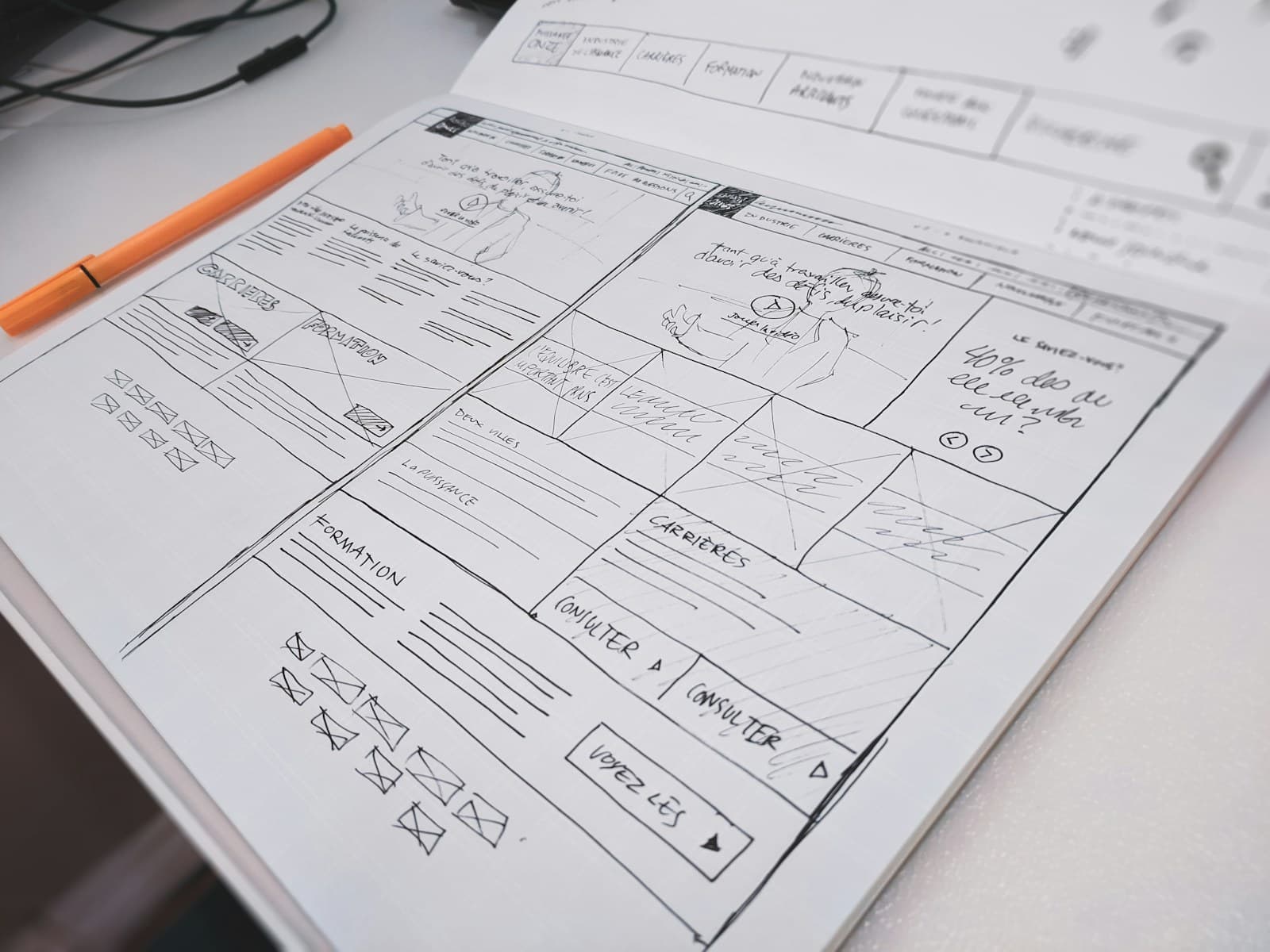 02 / Architecture strategy
Topic grouping
Organize pages around useful themes rather than internal departments.
Navigation model
Define global, local, utility, footer, and contextual navigation roles.
URL hierarchy
Create stable paths that communicate location without excessive depth.
Page priorities
Give high-value pages appropriate prominence and supporting context.
 03 / Content mapping
03 / Content mapping
Resolve overlap and strengthen topic coverage.
Each existing page receives a clear action and purpose. We identify gaps, merge competing content, preserve valuable equity, and plan the relationships between hubs and supporting pages.
Keep, improve, or remove
Give every page a documented action based on evidence and value.
Overlap analysis
Find pages competing for the same audience need or search intent.
Content gaps
Identify missing information needed across the customer journey.
Redirect mapping
Preserve useful links and signals when pages move or consolidate.
04 / Implementation and measurement
Put the structure into production and verify the result.
We support navigation, templates, internal links, breadcrumbs, canonicals, sitemaps, redirects, and crawl directives, then monitor discovery and behavior after release.
 04 / Implementation and measurement
Internal links
Add useful connections through navigation, content, and related resources.
Crawl signals
Align canonicals, XML sitemaps, robots directives, and status codes.
Launch QA
Validate routes, redirects, breadcrumbs, navigation, and indexability.
Performance tracking
Measure search visibility, crawl behavior, engagement, and conversion paths.
Make the website easier to navigate
Ready to untangle your site structure?
We can support a redesign, migration, content consolidation, or focused architecture initiative before implementation begins.
Frequently asked questions
Questions about site structure and SEO.
Why does site structure matter for SEO?
Site structure helps search engines discover pages, understand relationships, determine which pages are most important, and interpret topical coverage. It also helps visitors find relevant information and continue through the journey—behavior that supports the website’s broader search and conversion performance.
How should a company organize its URL hierarchy?
URLs should be readable, stable, concise, and organized around meaningful content relationships. Avoid exposing internal systems or adding folders without purpose. The best hierarchy reflects how audiences understand the offering while remaining flexible enough for future content.
What is an internal linking strategy?
Internal linking intentionally connects related pages through navigation, body content, breadcrumbs, and supporting modules. We use audience intent, topic relationships, page priority, and crawl data to decide which connections are useful rather than adding links only for search engines.
How do you address content overlap and keyword cannibalization?
We compare page purpose, audience intent, rankings, backlinks, conversions, and content quality. Depending on the evidence, overlapping pages may be differentiated, combined, redirected, de-indexed, or repositioned within a clearer topic hierarchy.
What do XML sitemaps and robots.txt do?
XML sitemaps provide search engines with a curated list of canonical URLs worth discovering. Robots.txt controls crawler access to selected paths but does not reliably remove pages from search results. Both should reinforce the intended structure rather than compensate for weak navigation or conflicting indexation signals.
Create a clearer foundation
Help every important page get found.
Tell us where visitors, editors, or search engines are getting lost today.