
On-page SEO
Make every page easier to find and easier to understand.
We align search intent, useful content, page structure, metadata, and internal links so priority pages can earn visibility and help the right visitors take the next step.
Optimization that serves the reader first.
On-page SEO is not a checklist of repeated keywords. It is the practice of making a page’s purpose, relevance, evidence, and next action clear to people, search engines, and answer systems.
Search intent mapping
Match each page to a distinct audience need and stage of consideration.
Content hierarchy
Structure headings and sections around the questions visitors need answered.
Titles and metadata
Write accurate, compelling search snippets without formulaic keyword stuffing.
Internal linking
Connect related pages with useful anchors and clear contextual relationships.
Page copy optimization
Improve clarity, completeness, differentiation, and evidence around the topic.
Image optimization
Use descriptive alternatives, helpful context, and efficient media delivery.
Structured data
Add eligible machine-readable context that accurately reflects visible content.
Conversion alignment
Connect organic entry points to a relevant and credible next action.
Our on-page SEO process
Turn search demand into pages people value.
 01 / Research and mapping
01 / Research and mapping
Give every priority page a clear search purpose.
We combine customer language, search demand, current performance, competitive results, and the business journey to map topics and intent to the right pages.
Audience questions
Identify the language and concerns customers use at each stage.
Search demand
Assess relevant topics, query patterns, seasonality, and opportunity.
SERP analysis
Understand the formats and intent search engines currently reward.
Keyword mapping
Assign distinct primary and supporting themes without page competition.
02 / Page strategy
Plan useful content before optimizing individual phrases.
We define the page’s job, key questions, evidence, content sequence, related resources, and conversion path so optimization supports a coherent experience.
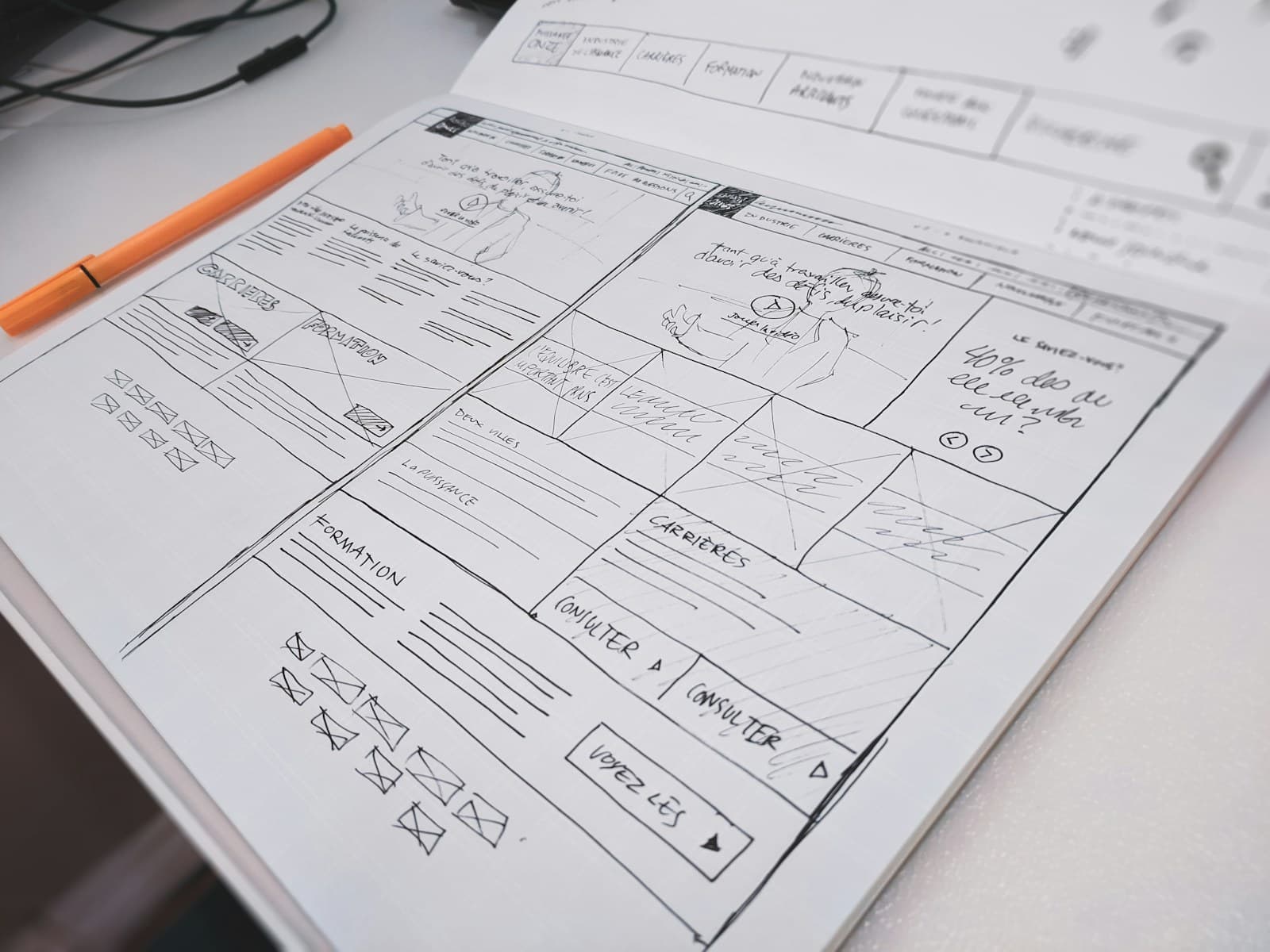 02 / Page strategy
Page purpose
Set one primary job for the page within the larger journey.
Content brief
Define questions, claims, proof, format, and recommended depth.
Supporting evidence
Identify examples, data, expertise, and specifics that build trust.
Relevant next action
Match calls to action to the visitor’s intent and readiness.
 03 / Page optimization
03 / Page optimization
Improve clarity from the search result through the final action.
We refine copy, headings, metadata, links, images, structured data, and CMS fields while preserving the brand voice and avoiding changes that only look optimized to a crawler.
Title and description
Make the search result accurate, differentiated, and compelling.
Heading structure
Create a useful outline that supports scanning and understanding.
Contextual links
Connect the page to related detail, proof, and next steps.
Schema markup
Represent eligible visible content accurately for machines.
04 / Publishing and improvement
Measure what happens after the page is live.
We verify implementation, establish useful reporting, and revisit pages as rankings, competitors, offerings, customer questions, and conversion behavior change.
 04 / Publishing and improvement
Implementation QA
Check metadata, canonicals, headings, links, schema, and indexability.
Search monitoring
Track impressions, queries, rankings, clicks, and indexed coverage.
Behavior analysis
Review engagement, navigation, and conversions from organic entries.
Content refreshes
Update pages when information, intent, performance, or offerings change.
Improve the pages that matter
Ready to turn visibility into meaningful visits?
We can optimize an existing page set, support a redesign or migration, or build an ongoing content improvement program around priority opportunities.
Frequently asked questions
Questions about on-page SEO.
What is on-page SEO and why does it matter?
On-page SEO improves the content and HTML signals of individual pages, including intent, copy, headings, metadata, links, images, and structured data. It matters because search engines need to understand a page, while visitors need useful information and a credible reason to continue.
How should companies approach keyword strategy?
Start with customer problems, business relevance, and search intent—not volume alone. Group related queries into topics, assign each topic to the page best suited to answer it, and avoid creating many thin pages that compete with one another.
What makes a well-optimized landing page?
A strong landing page closely matches the visitor’s intent, communicates value quickly, answers the important follow-up questions, provides credible proof, uses a clear content hierarchy, loads well, and presents a next action appropriate to the visitor’s stage.
How do you support SEO for CMS-managed pages?
We define reusable SEO fields, validation, defaults, preview guidance, structured content patterns, and editorial documentation. We also avoid giving editors unnecessary controls that create conflicting canonicals, inconsistent headings, or invalid structured data.
How important is content freshness?
Freshness matters when the subject, evidence, product, market, or search result changes. Updating a date without improving the page provides little value. We refresh content when new information can make it more accurate, useful, competitive, or aligned with current customer needs.
Create pages worth finding
Make organic traffic more relevant.
Tell us which pages, topics, or customer journeys need stronger search performance.