
Design system agency
Design it once. Reuse it everywhere.
We create tailored design systems that keep digital experiences consistent, make approved patterns easier to reuse, and reduce the time required to design and develop what comes next.
Why design systems matter.
A well-built design system creates a shared foundation for your website. It reduces repetitive work, protects quality as more people contribute, and gives your team a practical way to grow without reinventing every page.
Consistent website design
Shared standards keep pages and components visually connected.
Improved efficiency
Reusable components and predefined styles reduce duplicated work.
Scalability
New pages and features can build on patterns that already work.
Enhanced collaboration
Designers, developers, and marketers work from the same language.
Our process
A modular approach for a system built to evolve.
 01 / Discovery and alignment
01 / Discovery and alignment
Define the vision and align the team.
We start by understanding how your brand, website, product, and teams work today. Together, we identify the inconsistencies slowing people down and agree on what the system needs to accomplish.
Experience audit
Review existing pages, patterns, and design decisions.
Goal alignment
Connect the system to measurable team and business needs.
Team workflows
Understand how design, development, and content collaborate.
System priorities
Identify the patterns that will create the most immediate value.
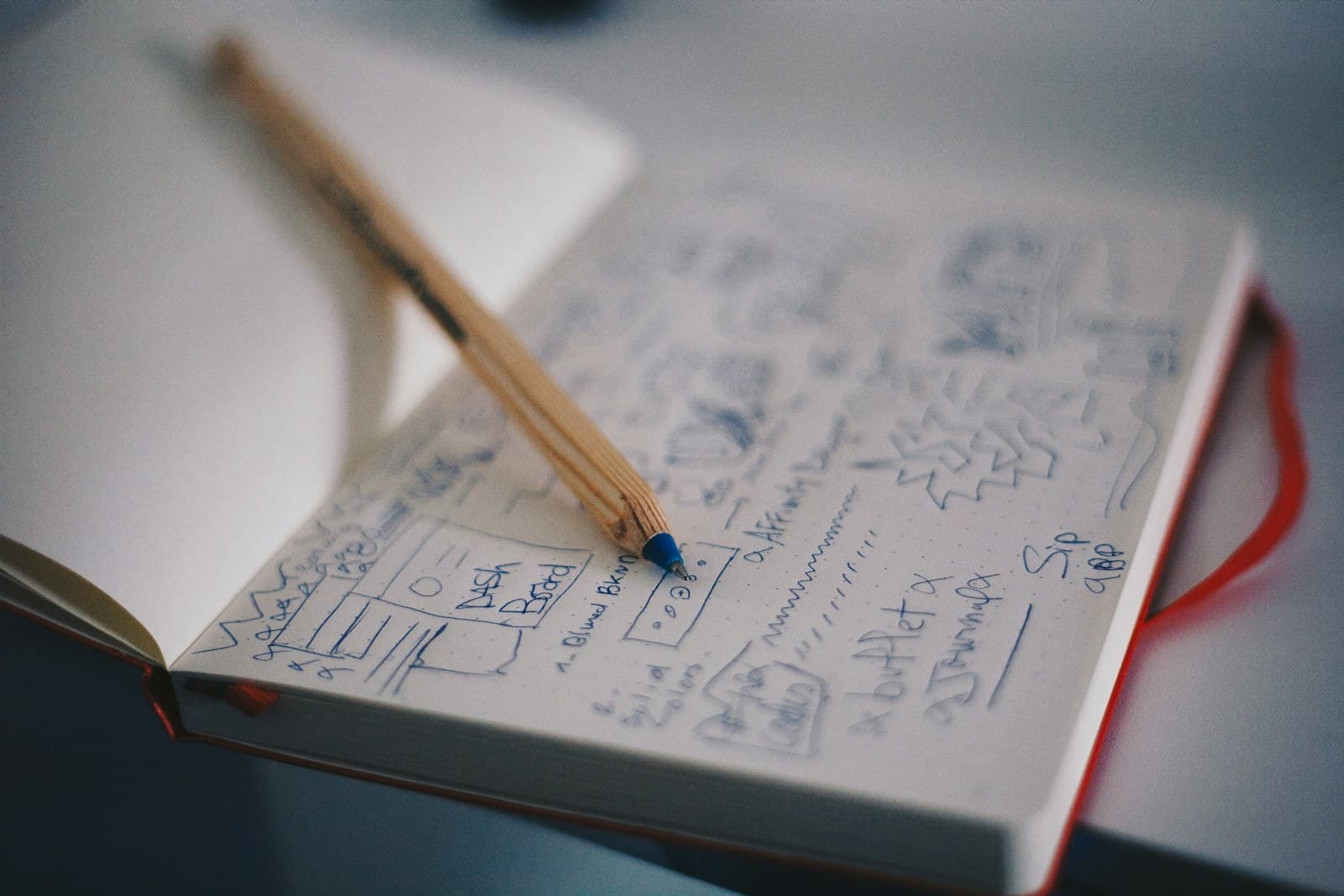
02 / Concept exploration
Set a clear visual and functional direction.
We explore how the brand should translate into a digital system, testing typography, color, spacing, imagery, and interface behavior before committing to a full component library.
 02 / Concept exploration
Visual direction
Translate brand qualities into practical interface choices.
Type and color
Create accessible scales and purposeful color roles.
Layout principles
Define grids and spacing that support varied content.
Interaction tone
Set expectations for feedback, transitions, and motion.
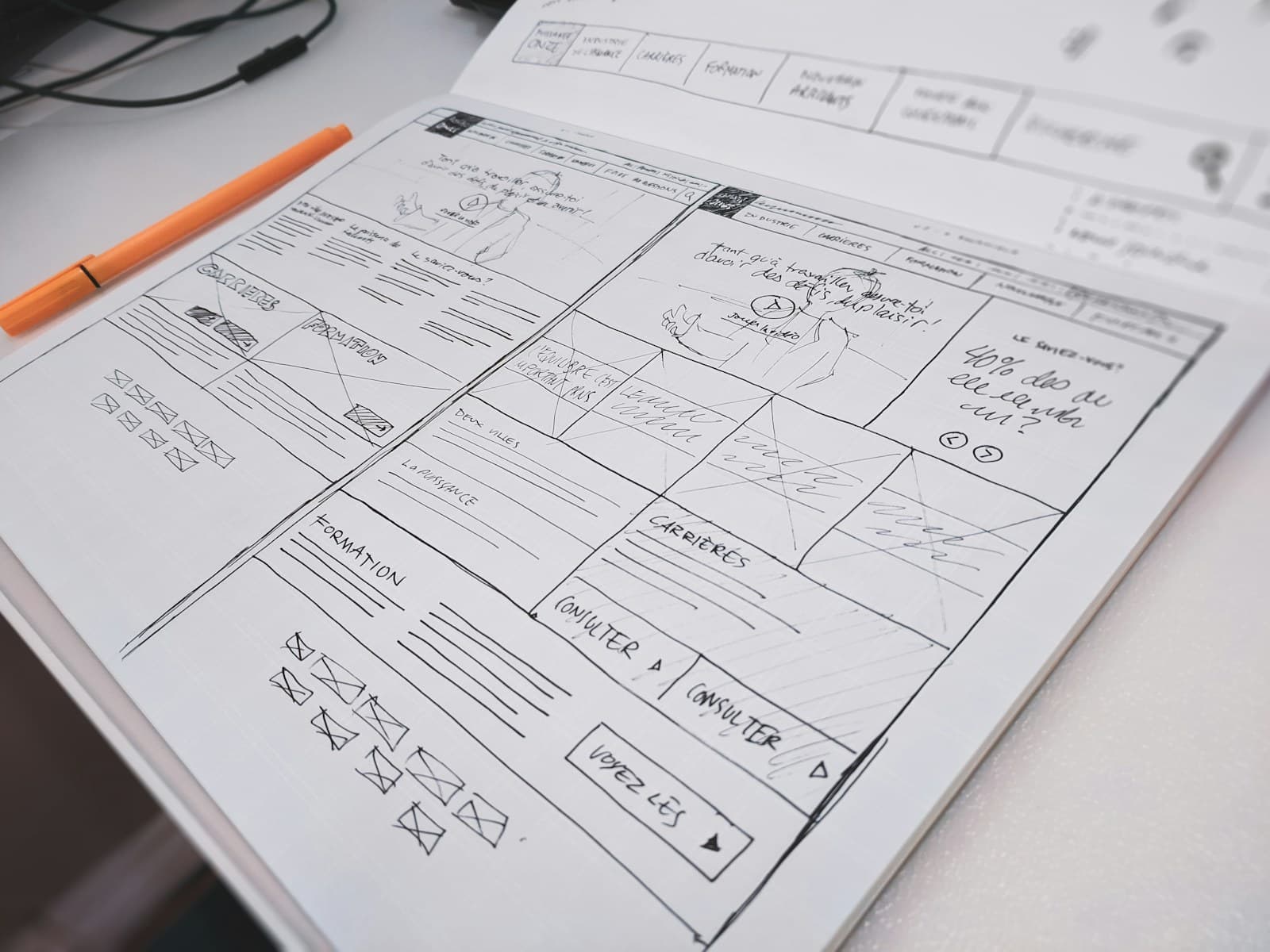 03 / Building the foundation
03 / Building the foundation
Turn design decisions into shared rules.
The approved direction becomes a structured foundation of design tokens, responsive behavior, accessibility guidance, and core interface primitives.
Design tokens
Centralize color, type, spacing, radius, and elevation values.
Responsive rules
Document how layouts adapt across screen sizes.
Accessibility
Build contrast, focus, semantics, and usability into the base.
Core primitives
Establish the smallest reusable interface building blocks.
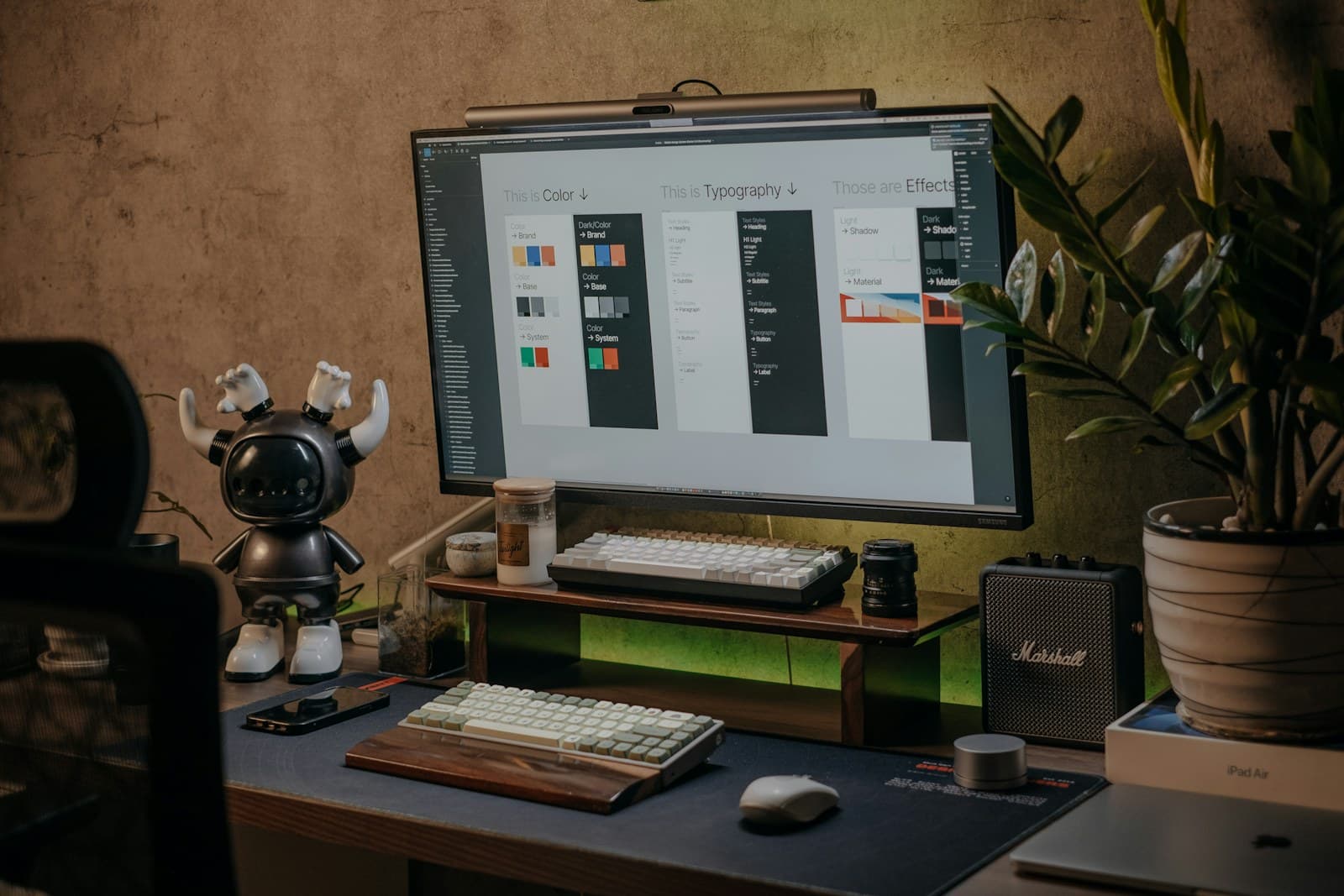
04 / Reusable components
Build flexible patterns for real content.
We design components around the pages and workflows your team actually needs, accounting for meaningful variations without creating a library of one-off exceptions.
 04 / Reusable components
Component library
Create reusable sections, cards, forms, and navigation patterns.
Content flexibility
Support realistic content lengths and combinations.
Defined variants
Document useful options without unnecessary complexity.
Production alignment
Keep designed patterns practical for implementation.
 05 / Developer documentation
05 / Developer documentation
Make the system clear enough to use correctly.
A component library only creates value when teams understand it. We document behavior, states, variations, content guidance, and implementation expectations.
Usage guidance
Explain when each component should and should not be used.
States and behavior
Cover interaction, validation, loading, and error states.
Design-to-code handoff
Connect design intent with implementation details.
Quality checks
Define criteria for reviewing new patterns and changes.
06 / Training and handoff
Give your team confidence to carry it forward.
We introduce the system to the people who will use and maintain it, clarify ownership, and establish a practical approach for proposing and approving future changes.
06 / Training and handoffTeam onboarding
Show each discipline how the system supports its work.
Clear ownership
Define who maintains standards and approves changes.
Contribution model
Create a repeatable path for adding or updating patterns.
Room to evolve
Keep the system useful as the website and organization grow.
Next step
Ready to make consistency easier?
Whether you are starting from scattered styles or an existing library that needs structure, we can help define the right scope for a design system your team will actually use.
Frequently asked questions
Questions about design systems.
What is a design system and why does a growing company need one?
A design system is a connected set of reusable components, design tokens, standards, and guidance. It helps growing teams create new pages and features faster while keeping the experience recognizable, accessible, and consistent.
How long does it take to build a design system?
Timing depends on the size of your website, the maturity of your existing brand and components, and how much design and development work is included. We begin with an audit and define a focused first release before expanding the system.
What is the difference between a design system and a style guide?
A style guide usually documents visual rules such as typography, color, and imagery. A design system connects those rules to reusable interface components, behavior, code, documentation, and an ongoing contribution process.
Can you work with our existing brand guidelines?
Yes. We can translate existing brand standards into a practical digital system, resolve gaps, and extend the visual language where websites and interactive components need more specific guidance.
How is a design system maintained over time?
Strong systems have clear ownership, documented contribution rules, and a regular review process. We help establish that governance so new patterns can be evaluated, added, and updated without undermining consistency.
Build once, improve continuously
Give your team a stronger foundation.
Tell us where inconsistency or repeated work is slowing you down.