
Website localization
Make your website feel local everywhere you grow.
We combine content strategy, multilingual architecture, translation workflows, design, and international SEO to create regional experiences that remain consistent without feeling copied and pasted.
Localization is more than translating words.
A localized website should reflect how each market searches, evaluates, purchases, and communicates. We create a scalable foundation that gives regional teams relevant content while protecting brand and technical quality.
Market and audience research
Understand regional needs, language differences, expectations, and search behavior.
Multilingual architecture
Structure locales, URLs, content relationships, fallbacks, and regional variants clearly.
Translation workflows
Connect editors, translators, reviewers, and publishing tools in a reliable process.
International SEO
Coordinate hreflang, canonicals, sitemaps, metadata, and market-specific demand.
Localized design
Support text expansion, alternate formats, imagery, and culturally appropriate presentation.
Regional content
Adapt proof, offers, terminology, resources, and calls to action for each audience.
Locale-aware integrations
Route forms, consent, analytics, CRM data, and commerce behavior correctly by market.
Publishing governance
Define ownership, review standards, fallback rules, and update responsibilities.
Our localization process
A repeatable system for entering and supporting new markets.
 01 / Market planning
01 / Market planning
Decide where localization creates the most value.
We assess target audiences, demand, existing traffic, sales priorities, legal requirements, regional operations, and available content resources before defining scope and rollout order.
Market prioritization
Sequence regions around opportunity, readiness, and operational support.
Audience differences
Identify regional needs, objections, terminology, and buying behavior.
Content scope
Select the pages and journeys that matter most for an effective launch.
Ownership model
Clarify central, regional, translation, legal, and publishing responsibilities.
02 / Architecture and workflow
Build a multilingual foundation teams can maintain.
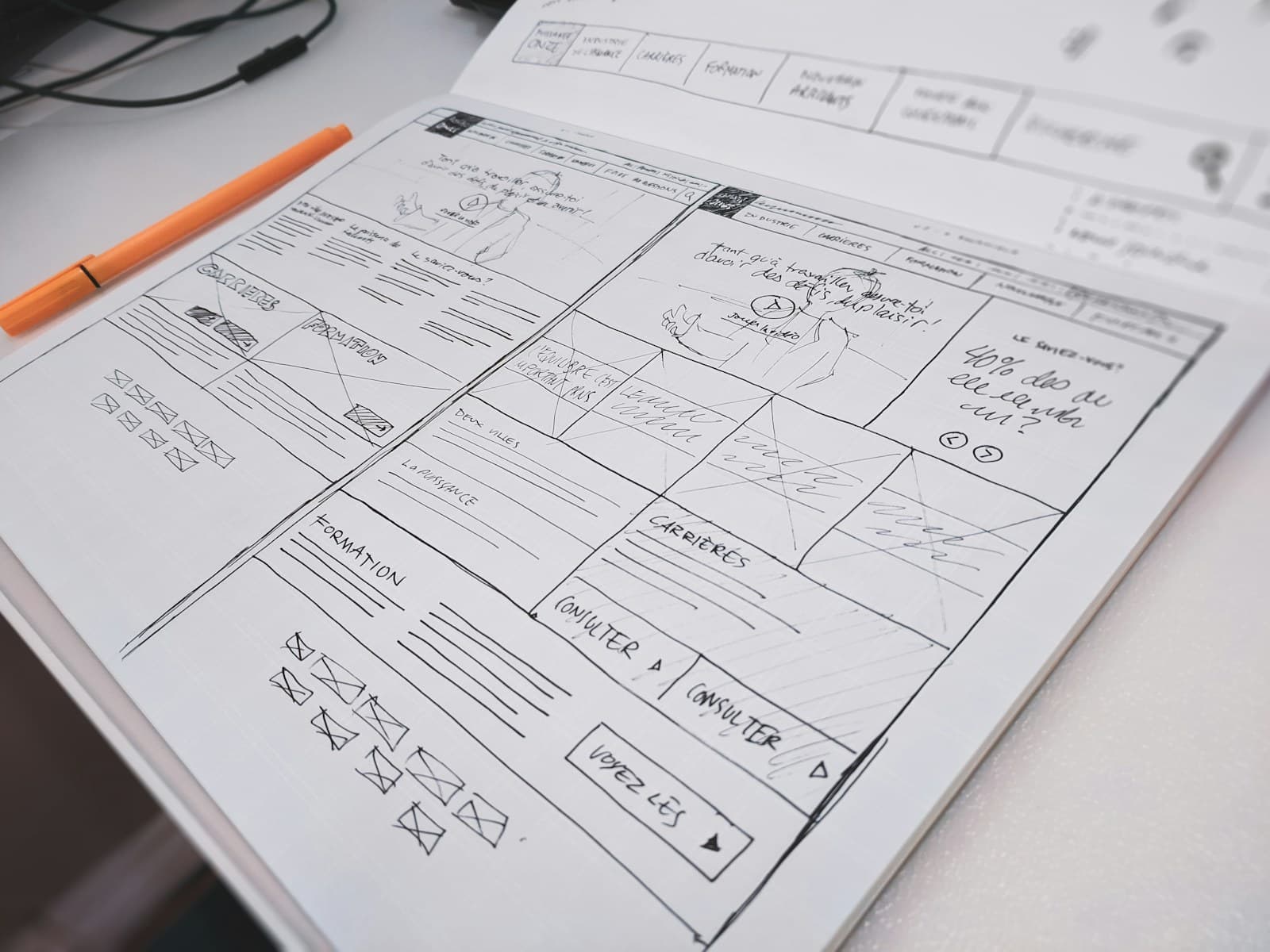
We design locale routing, content models, shared-versus-local fields, fallback behavior, translation states, previews, permissions, and integration requirements around the publishing team.
 02 / Architecture and workflow
Locale strategy
Define language, region, URL, routing, and default experience behavior.
Content relationships
Keep translated and regional variants connected without unnecessary duplication.
Translation workflow
Support assignment, status, review, approval, and controlled publishing.
Regional permissions
Give local teams useful control while protecting shared standards.
 03 / Content and implementation
03 / Content and implementation
Adapt the experience—not only the language.
Content is translated and transcreated in context, then reviewed within responsive layouts. We implement regional metadata, search targeting, integrations, formatting, and relevant calls to action.
Translation in context
Give language teams page purpose, audience, visuals, and constraints.
Layout adaptation
Handle expansion, line breaks, reading direction, and regional formats.
Localized search
Adapt topics, titles, metadata, links, and copy to local demand.
Regional journeys
Align forms, proof, offers, contacts, and next actions with the market.
04 / QA and ongoing governance
Launch confidently and keep every locale current.
We test content completeness, routing, formatting, hreflang, integrations, responsiveness, and analytics, then establish a process for keeping translated experiences aligned as source content changes.
 04 / QA and ongoing governance
Linguistic QA
Review language, context, consistency, truncation, and untranslated content.
Technical QA
Validate locale routing, hreflang, canonicals, sitemaps, and fallbacks.
Regional analytics
Measure discovery, behavior, and conversion by market and language.
Update governance
Keep locale variants visible, assigned, reviewed, and synchronized appropriately.
Plan the next market
Ready to build a website that travels well?
We can help scope a first regional launch, improve an existing multilingual setup, or create a scalable localization system across markets.
Frequently asked questions
Questions about website localization.
How is website localization different from translation?
Translation converts language. Localization adapts the complete experience for a market, including terminology, search demand, imagery, examples, proof, pricing, formats, legal content, integrations, calls to action, and publishing workflows. Translation is one important part of localization.
How do you implement multilingual websites with Next.js?
We define locale-aware routes, server-rendered metadata, canonical and hreflang relationships, localized content queries, fallback rules, sitemap coverage, middleware only where appropriate, and caching behavior. The exact approach depends on the CMS, hosting model, locale strategy, and whether content varies by language, region, or both.
How do you manage translation for ongoing content?
We establish statuses for source changes, translation, review, and publishing; connect a translation management system where useful; give reviewers contextual previews; and define which content inherits, requires localization, or may remain market-specific. Clear ownership prevents locales from quietly falling out of date.
How does localization affect SEO?
Each market may use different search language and expect different content. International SEO requires localized research and page copy as well as technically consistent URLs, hreflang, canonicals, internal links, sitemaps, metadata, and indexation. Direct translation alone rarely captures regional demand effectively.
What content should we localize first?
Start with the journeys closest to market entry and customer action: the homepage or regional landing page, priority product and solution pages, pricing or purchase information, essential proof, high-intent search pages, forms, contact paths, legal requirements, and support content needed to make a confident decision.
Grow with local relevance
Create a global system that feels regional.
Tell us which markets you are entering and what your current website needs to support.